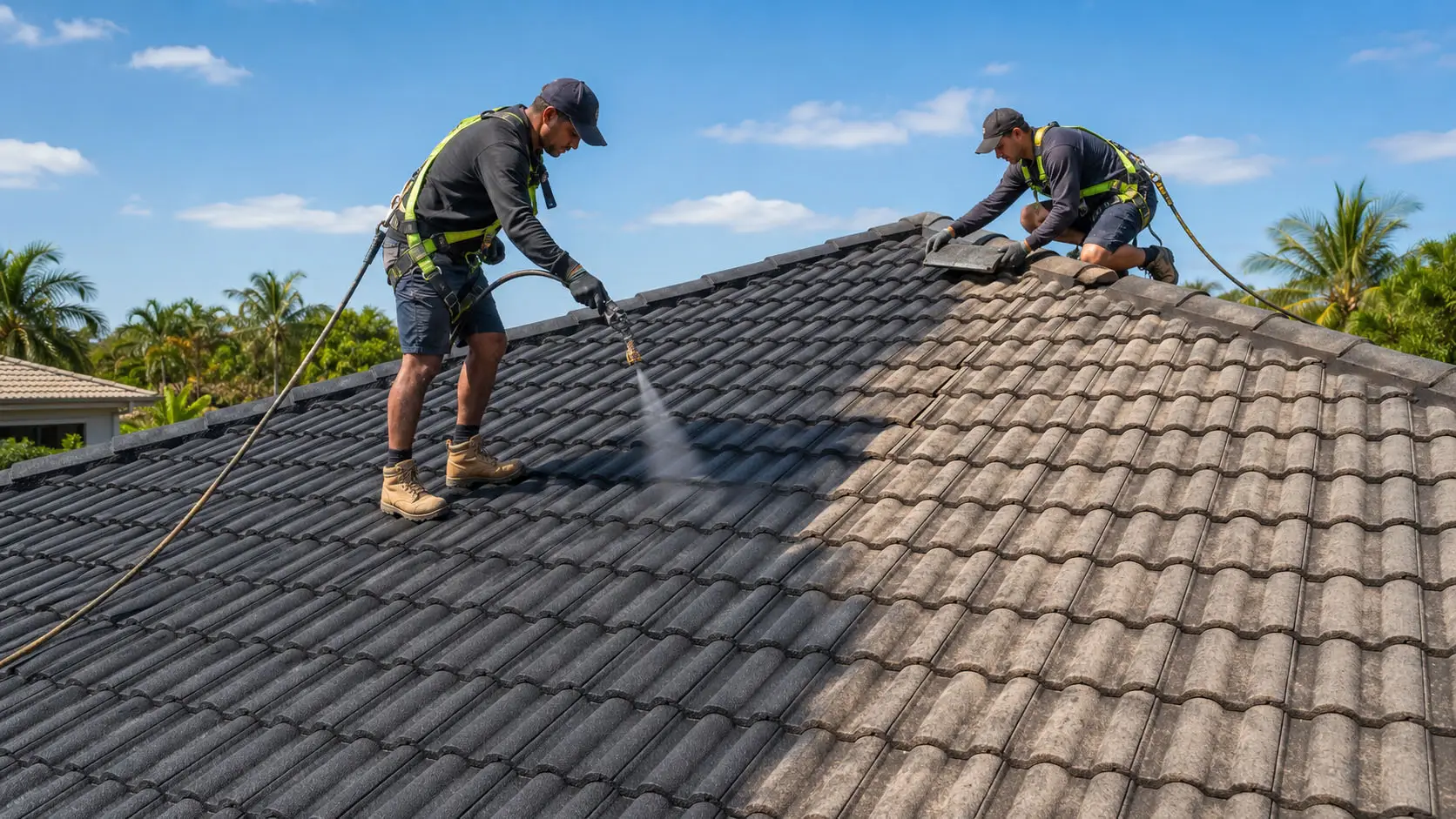
When Is Roof Restoration the Right Choice for a Darwin Home?
Darwin roofs deal with some demanding conditions. Intense UV exposure, tropical heat, high humidity, heavy wet-season rain, storms and airborne debris can gradually affect roofing materials, coatings, fixings, flashings and other components.
That does not mean every weathered roof needs replacing.
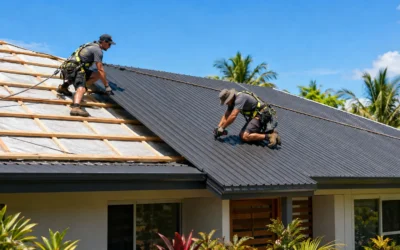
Where the underlying roofing system remains suitable, roof restoration can provide a practical middle ground between isolated repairs and complete roof replacement. It allows deterioration to be addressed across the roof while retaining serviceable materials.
A restoration may involve professional cleaning, repairs, surface preparation, repointing where required, primers, roof painting and protective coatings. The exact scope should always depend on the roof material and its condition.
Learn more about our roof restoration services in Darwin.
What Is Roof Restoration?
Roof restoration is a coordinated process designed to improve the condition, weather protection and appearance of an existing roof.
It is different from repairing one isolated problem.
A typical restoration may include:
- Inspecting the existing roof
- Identifying leaks and areas of deterioration
- Cleaning the roof surface
- Repairing suitable damaged components
- Treating rust or corrosion on metal roofing
- Repointing ridge capping where required
- Preparing the surface for coating
- Applying appropriate primers
- Roof painting
- Applying compatible protective coatings
- Completing a final inspection
Not every roof requires every step.
A professional inspection should determine which parts of the process are appropriate rather than applying a standard package to every property.
Signs Your Roof May Need Restoration
Roof deterioration often develops gradually.
Homeowners may first notice that the roof looks faded or stained, but there can also be less obvious signs that maintenance is becoming necessary.
Common signs include:
- Faded or deteriorating roof coatings
- Surface rust on metal roofing
- Moss, algae, lichen or built-up grime
- Cracked or deteriorated ridge pointing
- Minor roof leaks
- Weathered roof surfaces
- Loose or ageing fixings
- Deteriorated sealants
- Staining around roof penetrations
- A roof that looks significantly older than the rest of the property
These signs do not automatically mean restoration is required.
Some roofs only need a targeted repair, while others may have deteriorated too far for restoration to provide a sensible long-term result.
Roof Repair vs Restoration vs Replacement
Understanding the difference between these three options can help homeowners avoid doing too little or spending money on work they do not yet need.
Roof Repair
A roof repair generally addresses a specific defect.
Examples may include:
- A localised leak
- Failed flashing
- Loose roofing components
- Minor corrosion
- Damaged sealants
- An isolated area of deteriorated ridge capping
Repairs are often appropriate when the wider roof remains in good condition.
Roof Restoration
Restoration is broader.
It may be suitable where the roof remains fundamentally serviceable but has deterioration across multiple areas or requires cleaning, preparation and recoating.
Rather than addressing only one problem, restoration considers the condition of the roof as a whole.
Roof Replacement
Replacement becomes more relevant where the existing roofing system is extensively deteriorated, repeatedly failing or no longer provides a suitable base for restoration.
In those situations, continuing to repair and coat the existing roof may not represent good value.
You can read more about roof replacement and re-roofing in Darwin.
Why Darwin Roofs Need Particular Attention
Roofing systems in Darwin face different conditions from homes in cooler or drier parts of Australia.
Intense Sun and UV Exposure
Roof surfaces receive prolonged exposure to strong sunlight.
Over time, UV can contribute to:
- Faded coatings
- Surface deterioration
- Ageing sealants
- Breakdown of some roofing finishes
Good preparation and a coating system suited to the roof material are particularly important in these conditions.
Heavy Wet-Season Rain
Darwin’s wet season can expose small roofing defects very quickly.
Water may enter around:
- Flashings
- Roof penetrations
- Fixings
- Ridge capping
- Sheet joins
- Other vulnerable roof junctions
This is why leaks should ideally be investigated before coating work begins.
High Humidity
Moisture and humidity can contribute to organic growth and corrosion, particularly where drainage, ventilation or existing coatings are compromised.
Storms and Strong Winds
Severe weather can place additional stress on roofing materials and components.
After significant storms, homeowners should look for obvious changes from ground level and arrange an inspection if they notice leaks, loose material or other concerns.
Tile Roof Restoration in Darwin
A tiled roof may be suitable for restoration where the underlying roof remains in serviceable condition.
Depending on the roof, restoration work may involve:
- Roof cleaning
- Leak investigation
- Ridge capping assessment
- Rebedding or repointing where required
- Surface preparation
- Priming
- Roof painting
- Protective coating
Different tile materials can require different preparation and coating systems.
The condition of the tiles should therefore be assessed before painting is recommended.
Restoration should never simply involve coating over existing defects.
Metal Roof Restoration in Darwin
Metal roofing is common throughout Darwin and the broader Top End.
Over time, metal roofs may show:
- Surface corrosion
- Faded coatings
- Loose or deteriorated fixings
- Failed sealants
- Problems around flashings
- Localised leaks
- Weathering around roof penetrations
Where the metal remains suitable, restoration may involve cleaning, rust treatment, targeted repairs, surface preparation and recoating.
More advanced corrosion requires closer assessment.
If roofing sheets have become heavily deteriorated or perforated, replacement may be more appropriate than attempting to restore them.
Why Roof Cleaning Comes First
Proper preparation is one of the most important parts of a restoration.
A roof surface may accumulate:
- Dirt
- Dust
- Organic growth
- Moss
- Lichen
- Algae
- Loose existing coating
- Environmental contaminants
Applying paint over a poorly prepared surface can affect adhesion and the quality of the finished result.
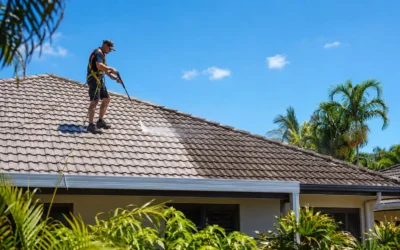
Professional roof cleaning and pressure cleaning in Darwin can also expose defects that were difficult to see beforehand.
Cleaning alone, however, is not a substitute for repairs.
Leaks, failed flashing, corrosion and other defects should be addressed as part of the restoration assessment.
Repairs Before Painting
One of the biggest mistakes in roof restoration is focusing on appearance before condition.
Painting a roof does not repair:
- Active leaks
- Failed flashing
- Heavily corroded metal
- Loose components
- Deteriorated ridge capping
- Structural problems
Necessary repairs should be completed before the final coating system is applied.
This helps ensure the work improves more than just the colour of the roof.
Roof Painting and Protective Coatings
Once the roof has been inspected, cleaned, repaired and prepared, an appropriate coating system may be applied.
Depending on the roofing material, this can involve:
- Surface preparation
- Appropriate primer
- Roof coating or paint
- Additional coats where specified by the coating system
The products used should be compatible with the existing roofing material and surface condition.
Roof painting can significantly improve the appearance of an ageing roof, but preparation is what supports the quality and durability of the finished coating.
Can Roof Restoration Help With Heat?
Roof colour and coating can influence how much solar energy a roof surface absorbs, but homeowners should be cautious about claims that roof restoration will automatically produce a specific reduction in indoor temperature or electricity bills.
The thermal performance of a home also depends on factors including:
- Insulation
- Sarking
- Roof colour
- Ventilation
- Building orientation
- Windows and shading
- Ceiling construction
- Air-conditioning use
A suitable lighter-coloured or reflective roof coating may contribute to the overall thermal performance of some homes, but results will vary between properties.
Can Restoration Improve Street Appeal?
This is one of the more immediate benefits.
A faded, stained or weathered roof can make the whole exterior of a property look tired.
Cleaning, preparation and a fresh roof finish can complement:
- Exterior painting
- Landscaping
- Renovations
- Property maintenance
- Pre-sale presentation
Homeowners should still choose restoration primarily because it is suitable for the condition of the roof, rather than treating painting as a purely cosmetic service.
Does Roof Restoration Extend Roof Life?
A properly scoped restoration can help protect a serviceable roof and address deterioration before it becomes more serious.
However, there is no responsible way to promise that every restoration will add a fixed number of years.
The outcome depends on factors such as:
- Existing roof age
- Roofing material
- Previous maintenance
- Existing deterioration
- Quality of preparation
- Products used
- Installation and workmanship
- Exposure to Darwin weather
- Future maintenance
This is why the roof should be inspected before any expected outcome is discussed.
When Should a Roof Not Be Restored?
Restoration is not suitable simply because it costs less than replacing the roof.
Replacement may deserve consideration where there is:
- Extensive corrosion
- Perforated metal roofing
- Widespread material failure
- Significant recurring leaks
- An unsuitable substrate
- Major structural concerns
- Extensive previous patch repairs
- A roof no longer capable of supporting a reliable coating system
A good roofer should be prepared to tell a homeowner when restoration is not the right investment.
How Much Does Roof Restoration Cost in Darwin?
There is no reliable single price that applies to every Darwin roof.
Cost is influenced by:
- Roof size
- Roof material
- Roof pitch
- Building height
- Access
- Amount of cleaning required
- Existing roof condition
- Required repairs
- Ridge capping work
- Rust treatment
- Surface preparation
- Coating system
- Number of roof sections
- Safety requirements
Two houses with a similar floor area can have very different roof restoration costs.
For that reason, an on-site inspection and written quotation provide a much more useful figure than a generic square-metre estimate.
How Long Does a Roof Restoration Take?
Timeframes also vary.
A straightforward residential restoration may be completed considerably faster than a large or complicated roof requiring substantial repairs and preparation.
Timing can be affected by:
- Roof size
- Required repairs
- Cleaning and drying time
- Roof material
- Access
- Weather
- Humidity and moisture
- Coating requirements
Darwin’s weather is particularly important.
Paints, primers and coatings need appropriate conditions for application, so the safest and most effective programme may sometimes need to accommodate changing tropical weather.
The Importance of Roof Inspections
An inspection should come before deciding whether to repair, restore or replace a roof.
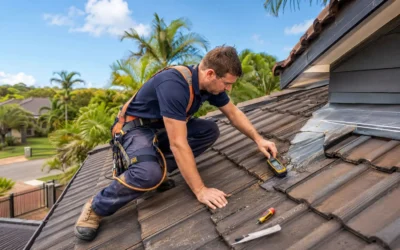
A roofer may assess:
- Roof surface condition
- Visible corrosion
- Coatings
- Ridge capping
- Flashings
- Fixings
- Roof penetrations
- Evidence of leaks
- Drainage
- Accessible supporting components
The aim is to determine the cause and extent of deterioration, not simply identify the most obvious visible symptom.
Maintaining Your Roof After Restoration
A restored roof should still be monitored and maintained.
Useful steps include:
- Checking the roof after major storms
- Watching for new ceiling stains or leaks
- Keeping surrounding trees appropriately maintained
- Avoiding unnecessary foot traffic on the roof
- Monitoring flashings and roof penetrations
- Following coating manufacturer requirements
- Arranging an inspection when new concerns appear
Homeowners should avoid climbing onto wet, steep or damaged roofing themselves.
Where there is uncertainty, professional inspection is the safer option.
Choosing a Roof Restoration Contractor in Darwin
Before agreeing to restoration work, ask the contractor:
- Are you appropriately licensed and insured?
- What repairs are included?
- How will the roof be cleaned and prepared?
- What products will be used?
- Is primer included?
- How many coating applications are included?
- What areas are excluded?
- What happens if additional damage is discovered?
- What warranty applies to this particular scope?
- Will the quotation be provided in writing?
Comparing the scope of work, rather than simply comparing the final price, can reveal significant differences between quotes.
Is Roof Restoration Right for Your Darwin Property?
Roof restoration can be an excellent option when an existing roof is weathered but still provides a suitable foundation for repairs, preparation and protective coatings.
The key is choosing restoration for the right roof.
A small isolated issue may only need repair. A serviceable but weathered roof may benefit from restoration. A roof with widespread deterioration may be better suited to replacement.
At Roof Restoration Services Darwin, we start with the roof’s actual condition and explain the available options before recommending a scope of work.
If your roof is faded, leaking, showing signs of corrosion or simply due for professional attention, contact our Darwin roofing team to arrange a free roof inspection and quote.